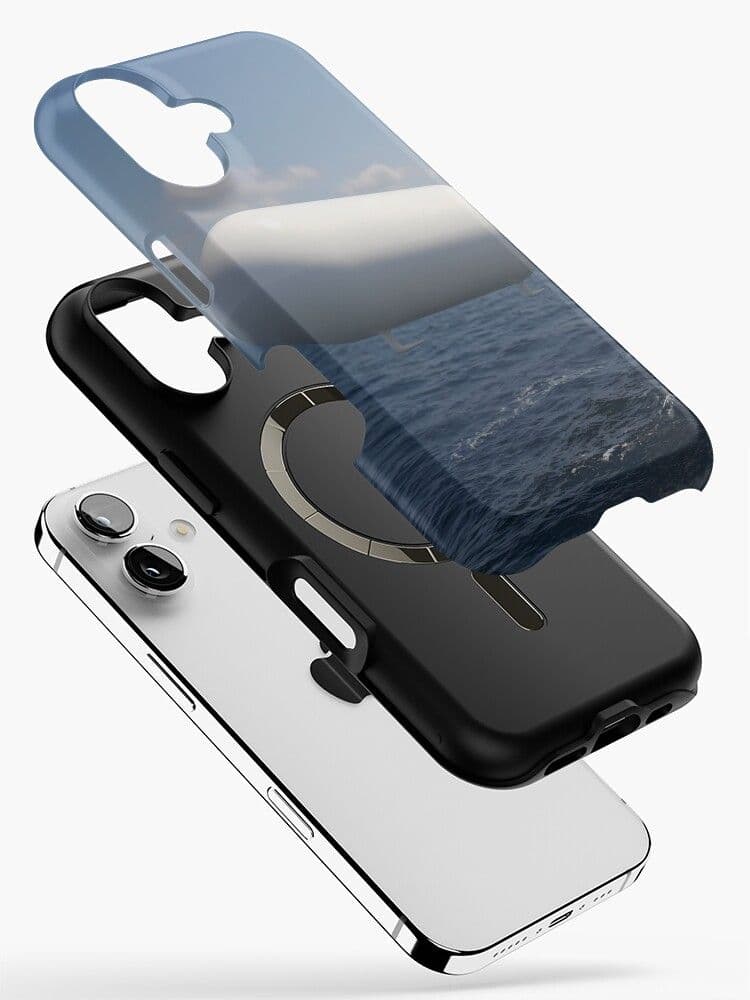
◈ 2004.11.14 ◈ CLASSIFIED FILE
DECLASSIFIED ARCHIVE: CASE #2004-CA-TIC (The Nimitz Incident)
DECLASSIFIED ARCHIVE: CASE #2004-CA-TIC (The Nimitz Incident)
OVERVIEW: Between November 10 and 14, 2004, the USS Nimitz Carrier Strike Group—specifically the radar operators on the USS Princeton—tracked multiple "AAVs" (Advanced Aerospace Vehicles) exhibiting physics-defying capabilities. These objects repeatedly dropped from 80,000 feet (edge of space) to sea level in seconds, hovering just above the water before accelerating at hypersonic speeds. This archive documents the primary intercept conducted by Commander David Fravor and Lt. Cmdr. Alex Dietrich, focusing on the craft's unique "Tic Tac" morphology and its "trans-medium" flight characteristics.
TECHNICAL SPECIFICATIONS:
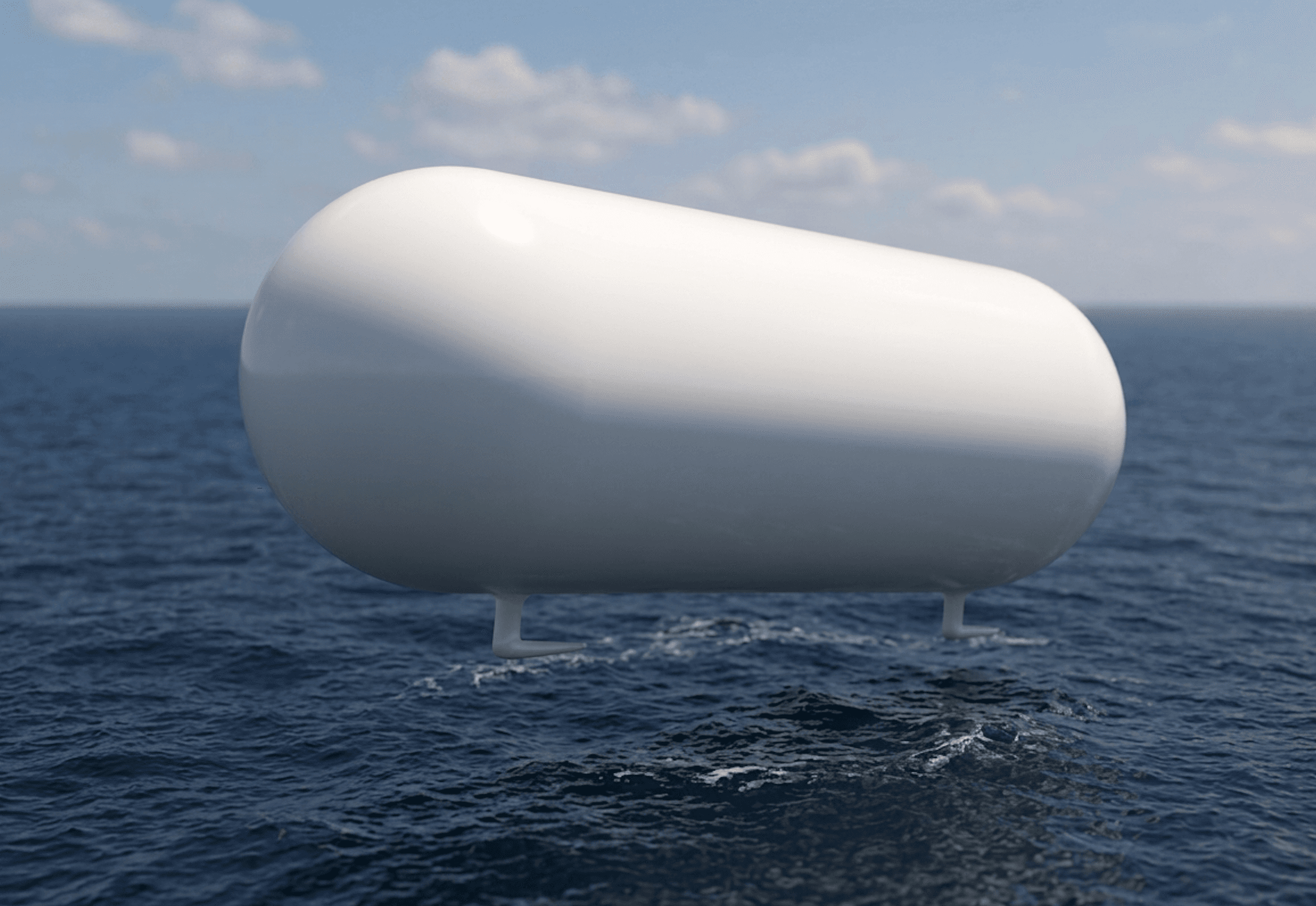
- Morphology: A seamless, solid white oblong structure resembling a giant "Tic Tac" mint.
- Dimensions: Approximately 40 feet (12.2 meters) in length, with no visible cockpit, windows, or rivets.
- Appendages: Two small "L-shaped" protrusions (approximately 10–15 inches long) located on the rear underside, likely acting as sensor arrays or field stabilizers.
- Propulsion: Reactionless Drive. Observed hovering without downwash and rotating on a vertical axis. It utilizes Instantaneous Acceleration (0 to Mach 20+ in seconds) without generating a sonic boom or visible heat signature.
- Flight Physics: Exhibits Inertia Cancellation. The craft can stop and change direction instantly at high velocities, a maneuver that would crush any known terrestrial airframe.
- Inter-medium Capability: Confirmed as a Trans-medium craft, capable of transitioning between space, atmosphere, and water (Submerged USOs) without structural degradation or loss of velocity.
TACTICAL DATA & SENSOR ANALYSIS:
- Radar Signature: Extremely low cross-section; capable of deploying high-end Electronic Countermeasures (ECM) to jam and "spoof" the APG-73 radar systems of F/A-18F fighters.
- Thermal Output: Cold-hull signature. Forward-Looking Infrared (FLIR) sensors indicated no engine exhaust, no friction heat, and no ionized air plasma, even at hypersonic speeds.
- Acoustics: 100% silent operation; zero audible engine noise reported during close-proximity hovering.
DISCLAIMER: This digital reconstruction is verified against the declassified FLIR1 (2004 Nimitz) video and the synchronized testimonies of the SPY-1 radar crews. The model highlights the dual ventral L-protrusions and the lack of traditional flight control surfaces. Use the interactive viewer to simulate the craft’s non-linear "bouncing" movement as described by Commander Fravor.
REFERENCES:
- Primary Source: The Black Vault - The "Tic Tac" Incident Archive (November 14, 2004). * URL: https://www.theblackvault.com/casefiles/the-vault-files-the-tic-tac-incident-november-14-2004/